Featured
Top Guidelines Of Comparing Debt Forgiveness Organization...
Unknown Facts About Preventing New Debt Cycles After Debt...


First Assessment with a Counselor Fundamentals Explained
Table of Contents
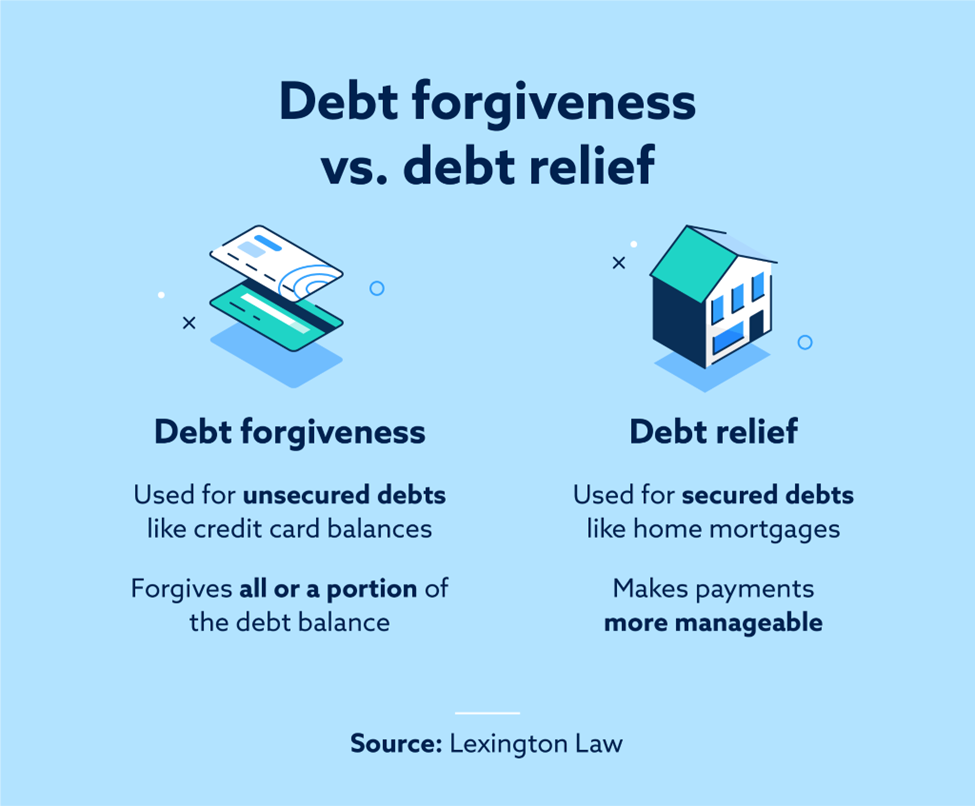
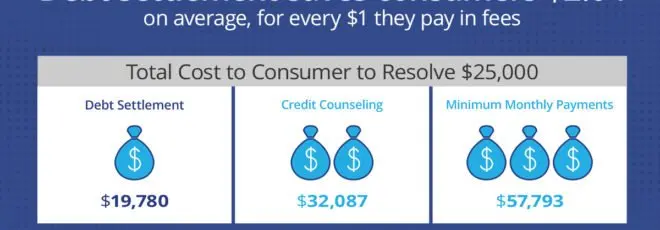
That liberates money in the short-term, and you might have three to four years to conserve toward the settlement amount. Really unsafe to credit history, mostly due to missed settlements and a negative "settled" mark that might remain on your debt report for approximately 7 yearsMay be only choice if other choices (debt loan consolidation, balance transfer credit cards, financial obligation forgiveness) aren't possibleTypically requires a charge to the 3rd party, which might balance out some or all of the financial savings from financial debt settlementMay assist you stay clear of bankruptcy if you've missed numerous paymentsNot all financial institutions function with debt settlement business Debt mercy may be appropriate for you if you are experiencing a financial difficulty that makes it almost impossible to pay down your debt equilibriums.

With a DMP, you make one monthly payment to the credit history therapy company. Those funds are then distributed to lenders of your unprotected debts, such as charge card and installment fundings. The firm functions with your financial institutions to reduce rate of interest or forgo charges, however some financial institutions might refuse such giving ins.
It can aid you pay down financial obligation if you're able to secure a funding rate that's lower than the average rate of the accounts you're combining. You should abstain from racking up debt on those newly removed accounts or your debt can expand also higher.
That gives you plenty of time to get rid of or dramatically minimize your equilibrium while making interest-free repayments.
The 10-Second Trick For Staying Safe from How Housing Counselors Work with Legal Aid When You’re at Risk of Eviction Scams
You might need it if your lender or a collection agency ever attempts to gather on the financial debt in the future. When a lending institution forgives $600 or more, they are required to send you Kind 1099-C.
Financial obligation mercy or settlement practically constantly hurts your credit scores. Anytime you clear up a financial debt for much less than you owe, it might show up as "resolved" on your credit score report and impact your credit rating for 7 years from the day of settlement. Your credit report can also go down considerably in the months causing the forgiveness if you fall back on repayments.
An Unbiased View of Exploring Debt Relief Options for Overwhelmed Consumers
This circumstance usually results from underreporting earnings, not submitting returns on time, or inconsistencies discovered during an IRS audit. The consequences of collecting tax obligation debt are severe and can consist of tax obligation liens, which provide the IRS a lawful case to your residential or commercial property as protection for the financial obligation.
Higher rate of interest rates on readily available credit scores. Salaries and Financial institution Accounts IRS can impose (take) incomes and checking account to satisfy the financial debt. Decreased earnings and disturbance of essential economic procedures. Residential property Seizure In severe instances, the internal revenue service can confiscate and offer residential or commercial property to cover the financial obligation. Loss of valuable possessions and possible displacement.
Anxiety, stress and anxiety, and various other mental wellness issues. Social Stigma Dealing with lawsuit from the internal revenue service can bring social preconception. Damage to reputation and relationships. Employment Opportunities An inadequate credit history due to tire financial obligation can restrict job opportunity. Problem searching for or keeping a work. Federal government Advantages Tax obligation financial debt may impact eligibility for government benefits, such as Social Safety And Security and Medicaid.
Staying Safe from Debt Relief Scams - Truths
The OIC takes into consideration several variables, consisting of the taxpayer's income, expenses, possession equity, and capacity to pay. Effectively bargaining an OIC can be complicated, calling for a comprehensive understanding of the internal revenue service's guidelines and a strong debate for why your offer straightens with your capacity to pay. It's essential to keep in mind that not all applications are approved, and the process requires comprehensive monetary disclosure.
The IRS analyzes your general economic scenario, including your revenue, costs, asset equity, and capacity to pay. You need to additionally be existing with all declaring and repayment needs and not be in an open personal bankruptcy case. The internal revenue service likewise considers your conformity background, reviewing whether you have a record of prompt declaring and paying tax obligations in previous years.
All about Hidden Fees to Look For
The application procedure for an Offer in Concession entails several thorough steps. You need to complete and submit Internal revenue service Kind 656, the Offer in Concession application, and Kind 433-A (OIC), a collection info declaration for individuals. These forms require thorough monetary details, consisting of information regarding your earnings, debts, costs, and properties.
Back taxes, which are unpaid taxes from previous years, can significantly raise your complete IRS debt otherwise addressed promptly. This financial obligation can build up rate of interest and late settlement fines, making the original quantity owed much bigger with time. Failing to pay back taxes can cause the internal revenue service taking enforcement actions, such as issuing a tax lien or levy against your property.
It is crucial to address back taxes asap, either by paying the full quantity owed or by organizing a layaway plan with the IRS. By taking proactive actions, you can avoid the buildup of additional rate of interest and fines, and prevent much more aggressive collection activities by the internal revenue service.
One usual factor is the idea that the taxpayer can pay the sum total either as a round figure or via a layaway plan. The IRS likewise considers the taxpayer's revenue, costs, property equity, and future earning possibility. If these elements indicate that the taxpayer can afford to pay greater than the provided amount, the internal revenue service is most likely to reject the deal.
Fascination About How New Platforms Is Making Debt Relief More Accessible
It is vital to supply accurate and full details in your application and to consult with a tax obligation professional to boost the possibilities of acceptance. Handling internal revenue service debt can be complex and complicated. Tax obligation experts, such as CPAs, tax obligation attorneys, or registered representatives, can offer very useful aid. They have the proficiency to navigate the intricacies of tax law and IRS procedures.

Table of Contents
Latest Posts
Top Guidelines Of Comparing Debt Forgiveness Organizations in the Industry
Unknown Facts About Preventing New Debt Cycles After Debt Management for Couples: How to Tackle Money Together
Unknown Facts About Permanent Effects on How Debt Impacts Mental and Emotional Well-Being Choices
More
Latest Posts
Top Guidelines Of Comparing Debt Forgiveness Organizations in the Industry
Unknown Facts About Preventing New Debt Cycles After Debt Management for Couples: How to Tackle Money Together
Unknown Facts About Permanent Effects on How Debt Impacts Mental and Emotional Well-Being Choices